Thanks for reading the second article in our “Ask the Forestry Expert” series. If you have a question about current timber markets, a potential timber sale, or how to ensure the long-term sustainability and value of your property, reach out to us.
Many woodland owners assume that a timber sale begins when a logger arrives. In reality, the most successful and profitable timber sales begin years, or even decades, before the first tree is harvested.
Whether your goal is to generate income, improve wildlife habitat, leave a legacy for your family, or maintain a healthy forest, preparing your woods ahead of time can significantly increase the value of your timber while protecting the long-term health of your property.
Here are five steps every woodland owner should consider.
1. Know What You Own
Every woodland is different. Tree species, age, density, soil conditions, and overall forest health all influence the future value of your timber. A professional forest inventory provides a clear picture of:
- What species are present
- Tree sizes and quality
- Overall forest condition
- Potential management opportunities
Understanding your forest is the foundation of every good management decision.
2. Invest in Active Forest Management
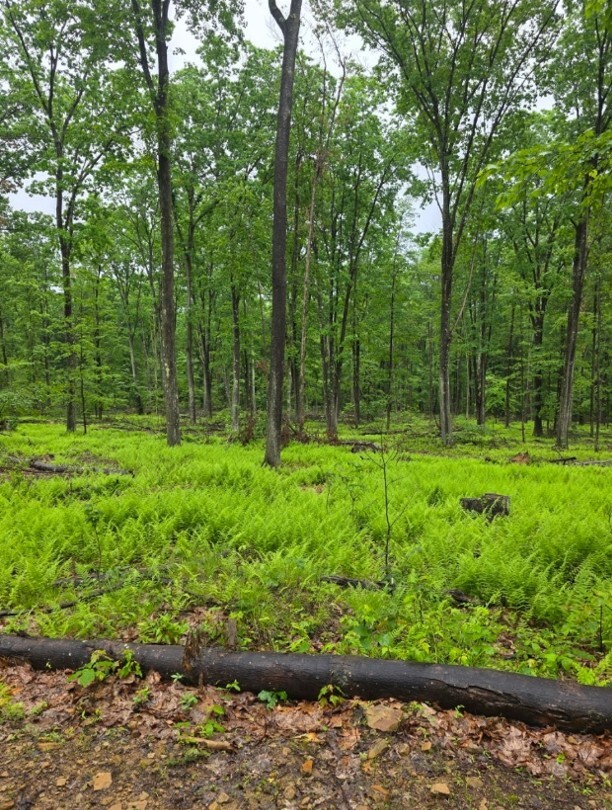
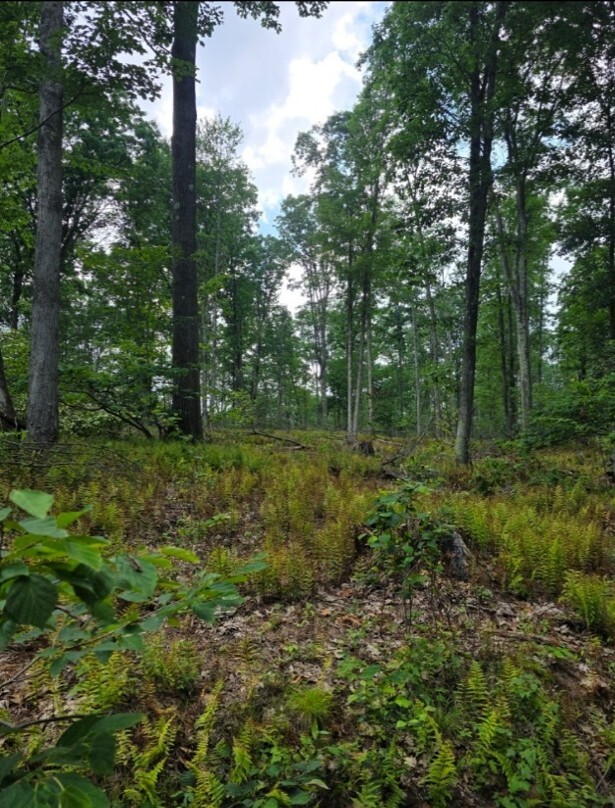
Healthy forests don't happen by accident. Practices such as thinning, crop tree release, invasive species control, and regeneration planning help improve tree growth and increase timber quality over time.
Removing poor-quality or overcrowded trees allows your best trees to receive more sunlight, water, and nutrients. This results in larger, healthier, and more valuable timber in the future.
Active management also helps reduce the risk of insects, disease, and storm damage.
|
|
3. Plan for Access Before You Need It
One of the biggest factors affecting harvesting costs is accessibility.
Well-designed roads and skid trails make harvesting safer, reduce soil disturbance, and help protect the remaining forest.
Planning access well before a timber sale allows improvements to be completed gradually instead of under the pressure of an upcoming harvest.
Good access benefits future management activities as well as timber sales.
4. Protect Sensitive Areas
Streams, wetlands, steep slopes, and wildlife habitat deserve special consideration during forest management.
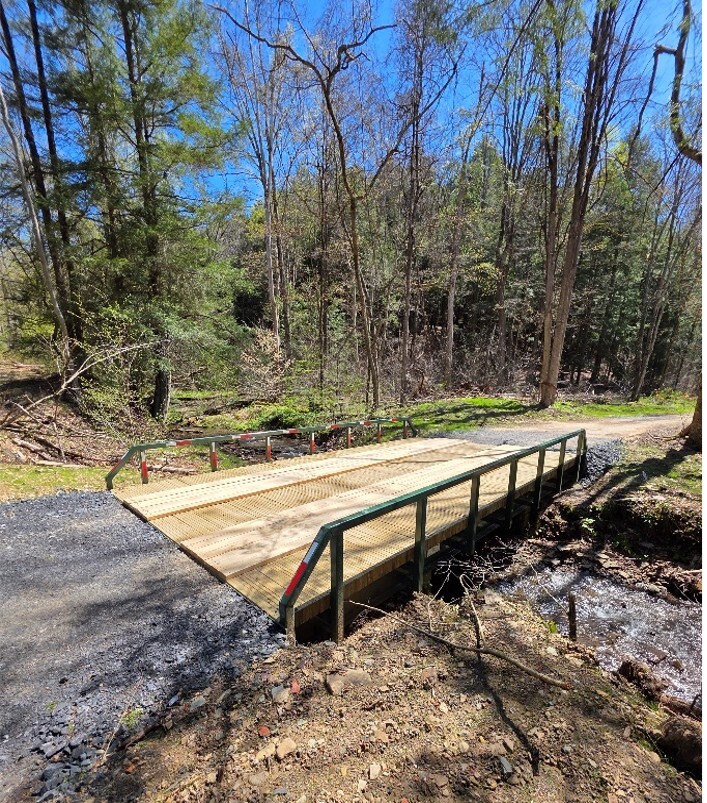
Identifying these areas early allows them to be incorporated into long-term management plans while helping meet Best Management Practices (BMPs) for water quality and soil protection.
Protecting sensitive areas today helps preserve the productivity and ecological value of your forest for future generations.
5. Think Long-Term
The highest-value timber rarely develops overnight.
Trees continue to increase in size and value as they mature, especially when they receive proper care throughout their lives.
A long-term management approach balances periodic income with sustained forest health, allowing your woodland to remain productive for decades.
Patience, combined with thoughtful management, often produces the greatest financial and environmental returns.
Whether your timber sale is five or twenty-five years away, the best time to prepare is today. Read more about our forest management services and how our foresters will help you evaluate your woods, develop a management plan, and determine the right time to market your timber. Reach out to us here or call (716) 664-5602. Our firm has been helping landowners make informed forest management decisions since 1954.
Ask the Forestry Expert: Why Isn’t My Forest Growing Back?